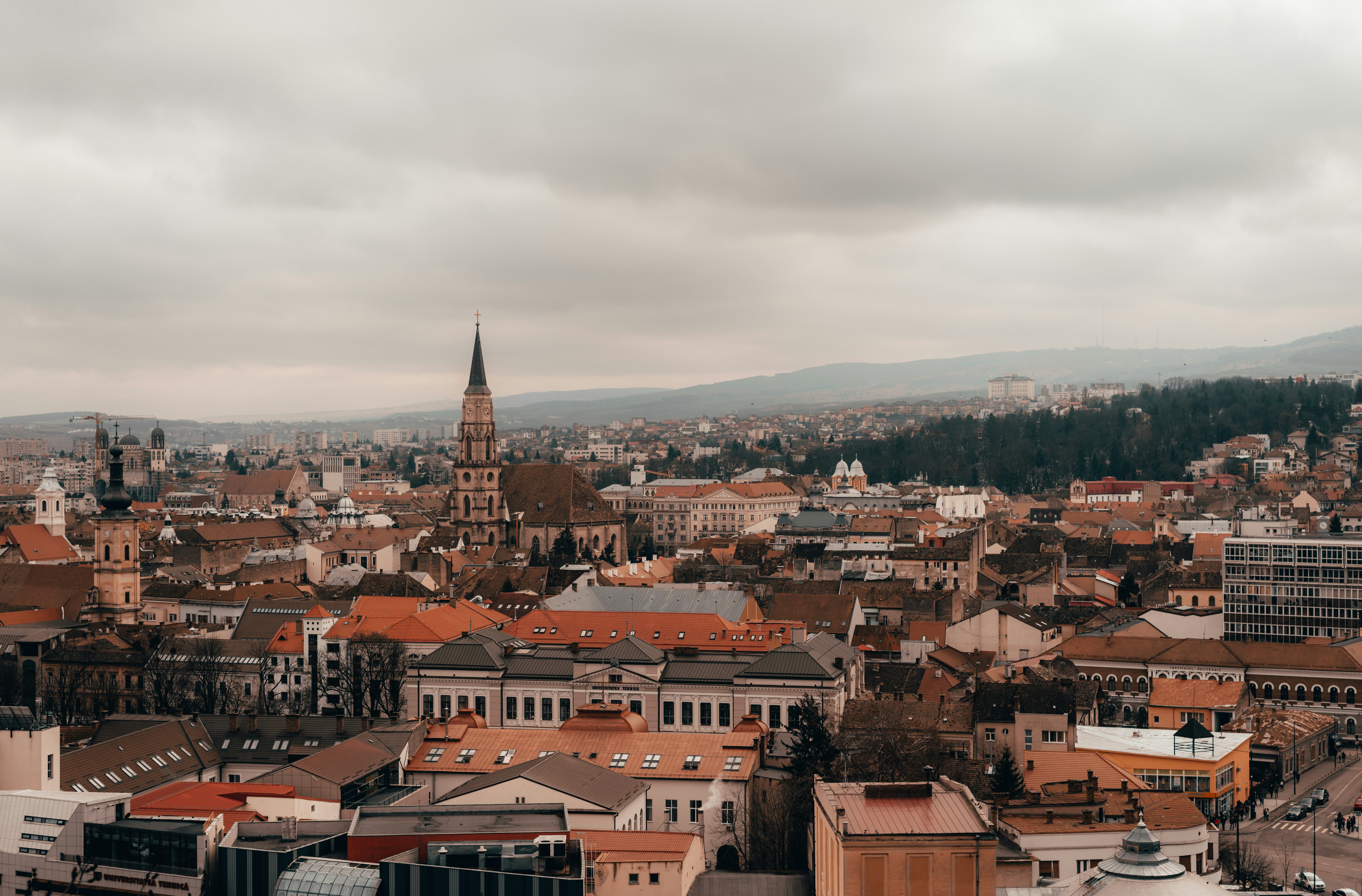
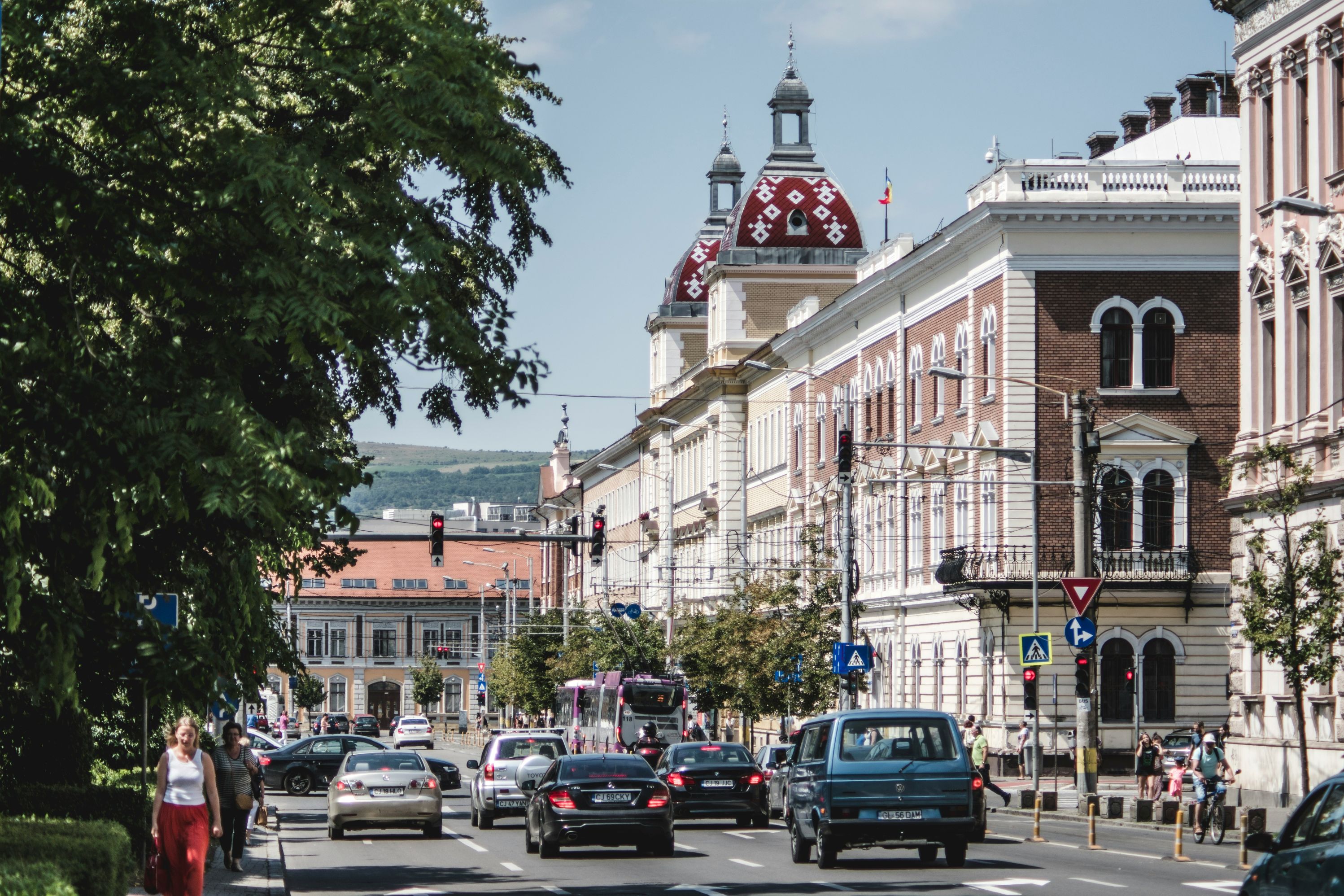
The Cluj Metropolitan Area’s (CMA) main adaptation activities focus on heatwaves, flood risk, and blue-green infrastructure.
For the monitoring component current works include the development of high-resolution climate risk assessments, the preparation of a Pluvial and Stormwater Management Plan, the integration of climate adaptation measures into urban planning, and the strengthening of metropolitan cooperation on resilience. For that purpose, key stakeholders include CMA, the Cluj-Napoca Municipality, Babeș-Bolyai University, the Technical University of Cluj-Napoca, water management authorities, local municipalities, NGOs, and community representatives.
For the evaluation component, a set of indicators for assessing the implementation and effectiveness of Nature-Based Solutions (NBS) has already been developed through the URBREATH project. These indicators focus on aspects such as air quality, temperature reduction, humidity, green infrastructure performance, and overall urban environmental quality in areas where adaptation measures are implemented. In addition, within the Mecra-CLIMAAX framework, further climate adaptation and resilience indicators are expected to be proposed and integrated into local monitoring processes.
For the learning component, CMA promotes the exchange of good practices between the core municipality of Cluj-Napoca and first-ring metropolitan communes such as Florești, Apahida, and Chinteni. These exchanges aim to support the harmonisation of urban planning and construction regulations, including measures such as mandatory green roofs, permeable pavements, and other climate adaptation requirements. The process is facilitated by CMA, which acts as a coordination and governance partner for metropolitan cooperation on climate-related issues.